
Four times.
Or three. Or seven. Or more than you can count without feeling the particular shame that comes from counting.
You left. You meant it — every single time, you meant it. You had the conversation or sent the message or simply stopped responding, and for a few days or a few weeks you felt something that almost resembled peace. The quiet of not waiting for a text. The strange lightness of a morning that didn’t begin with checking their mood. The first exhale you’d taken in months.
And then something happened.
A message that landed in exactly the right place. A crisis that needed you specifically. A version of them that showed up so completely as the person you fell in love with that every reason you left dissolved before you could hold onto it. Or nothing happened at all — just the slow, relentless accumulation of missing them until the missing became louder than everything you knew.
And you went back.
And you have been carrying the weight of that — the going back, the knowing better and doing it anyway, the private shame of being someone who cannot seem to do the thing that looks, from the outside, so simple — ever since.
Here is what I need you to know before we go any further.
You did not go back because you are weak.
You went back because you are bonded.
And understanding the difference between those two things — fully, neurologically, at the level where the bond actually lives — is where how to break a trauma bond step by step actually begins.
Not with another attempt to leave.
With finally understanding why leaving has been this hard.
Why You Keep Going Back — The Real Answer
The standard advice for leaving a trauma bond assumes that the problem is a lack of information or a lack of resolve.
Read enough about it. Want it badly enough. And you will be able to go.
You have read enough. You have wanted it badly enough. You have probably wanted to leave more desperately than you have ever wanted almost anything.
And you went back.
So let’s retire the information-and-willpower model and look at what is actually happening.
A trauma bond is not a relationship problem.
It is a neurological one.
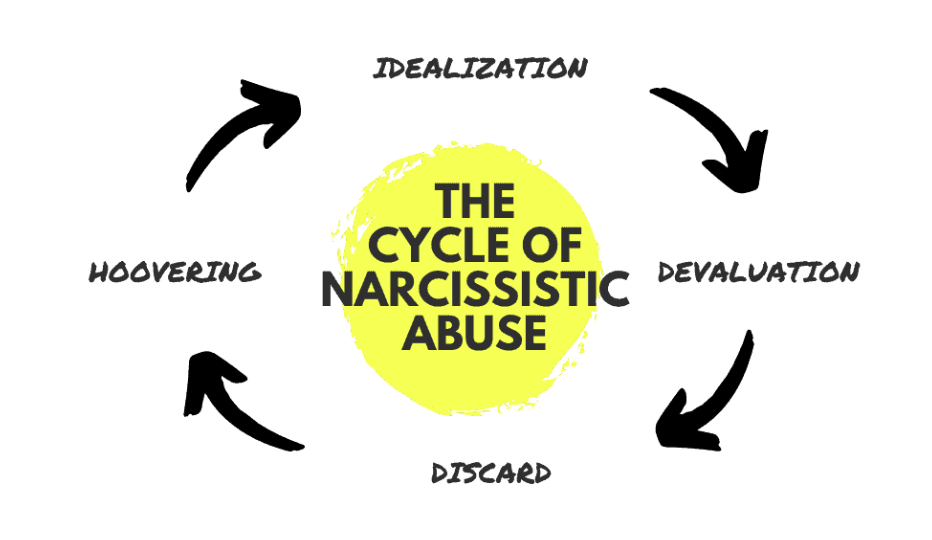
The specific cycle of tension, explosion, and reconciliation that characterizes traumatic relationships — identified and named by psychologist Patrick Carnes in his landmark work on betrayal bonds — creates a pattern of intermittent reinforcement that is, neurologically, among the most powerful conditioning mechanisms that exist.
Intermittent reinforcement — the unpredictable, variable delivery of reward — produces stronger behavioral conditioning than consistent reward. This is not a theory. It is one of the most replicated findings in behavioral psychology, demonstrated across species and contexts and most visibly in the specific way gambling addiction develops and resists treatment.
Every cycle of hurt followed by reconciliation does not weaken your bond to this person.
It deepens it.
Every time you went back was not a failure of character.
It was your nervous system doing exactly what a nervous system does when the source of its most powerful neurochemical relief becomes available again.
A 2020 study published in Frontiers in Psychology on the neurobiology of romantic rejection found that the reinstatement of contact with a romantic partner after separation reactivated reward circuitry with an intensity comparable to the original relationship — in some cases stronger, due to the sensitization produced by the separation period.
In plain language: going back feels better than staying was.
Every single time.
Because your brain has been specifically conditioned to experience their return as the most powerful relief available to it.
This is why willpower alone has never been enough.
And this is why how to break a trauma bond step by step is not a willpower problem requiring more determination.
It is a neurological problem requiring a completely different approach.
What Was Different About the Times You Went Back
Before we get to the steps — let’s look specifically at the moments the bond pulled you back. Because they are not random.
They follow patterns. And understanding your specific pattern is part of what makes this time different.
The reconciliation hoover.
They reached out. In exactly the right way, at exactly the right moment. The narcissist hoovering arrived — a text, a crisis, a declaration — and hit a nervous system that was in active withdrawal from its primary neurochemical source. The relief of responding was immediate and overwhelming. The reasoning happened after.
The hope spike.
Something they did or said or seemed to be suggested that maybe this time was genuinely different. That the thing you had been waiting for — the growth, the self-awareness, the version of them that was always almost there — had finally arrived. The future faking reactivated. The future they described felt real again. And you went back for the future, not the present.
The identity collapse.
Without the relationship, you did not know who you were. The bond had become so central to your sense of self — particularly if the fawn response had made your identity contingent on managing their emotional world — that its absence felt like the absence of yourself. You went back not for them but for the feeling of existing as someone recognizable.
The withdrawal became unbearable.
No message. No crisis. No hope spike. Just the slow, cumulative weight of missing them — the physical ache, the intrusive thoughts, the specific way their absence reorganized everything around itself — until the pain of being without them exceeded the pain of being with them.
And you went back for relief.
Not love.
Relief.
Knowing which of these pulls you back most reliably is the first piece of information that makes this time different.
How to Break a Trauma Bond Step by Step — And Actually Stay Gone
These steps are not linear.
You will not complete step one and move cleanly to step two. You will loop. You will move forward and slide back. You will have days where you are certain this time is different and days where you cannot remember why you are doing this at all.
That is not failure.
That is the shape of trauma bond recovery.
What matters is not moving through the steps perfectly.
What matters is staying oriented to them — having a map you can return to when the withdrawal pulls you off course.
Here is the map.
Step One: Stop Counting the Times You Went Back
Before anything else.
Because the shame of having gone back — the four times, the seven times, the more than you can count — is one of the things keeping you stuck.
Shame does not produce change.
Shame produces hiding. Self-punishment. The particular paralysis of believing you have failed so many times that trying again is pointless. And paralysis keeps you exactly where you are.
Every time you went back was your nervous system doing what it was conditioned to do.
Not a moral failure.
Not evidence that you are beyond help.
Evidence that the bond is real, that the conditioning was effective, and that you have been trying to overcome a neurological reality with willpower alone — which is like trying to stop a flood with your hands.
Stop counting.
Start from here.
Step Two: Identify Your Specific Vulnerability Windows
Here is something that most resources on how to break a trauma bond step by step miss entirely.
The pull back does not happen randomly. It happens at specific, predictable moments of vulnerability — and knowing your specific vulnerability windows in advance is what allows you to prepare for them rather than being ambushed by them.
Common vulnerability windows:
The midnight window. The hours between 11pm and 3am when the rational mind is depleted and the emotional brain runs unchecked. When the quiet becomes loud and the absence becomes physical.
The milestone window. Birthdays. Anniversaries. Holidays. Dates that carried meaning in the relationship. The first time something good happens and the automatic reach for the person you used to tell first.
The bad day window. The moments of stress, failure, or pain when your nervous system most urgently seeks the soothing it has been conditioned to associate with this person.
The seeing them window. A run-in. A tagged photo. A mutual friend’s story. Any visual confirmation of their continued existence in the world.
The hoover window. The moment their message arrives — however it arrives, whatever it says — at any point in the recovery process.
Write yours down. Specifically. I am most likely to make contact when ___.
This is not pessimism.
This is the preparation that makes staying gone possible.
Step Three: Design Your Environment for the Person You Are in Your Weakest Moment
Not for the person you are right now, reading this with relative clarity and resolve.
For the person you are at midnight in the midnight window when the withdrawal is loudest and the reasoning is quietest.
That person needs a different environment than the one you currently live in.
Digital environment redesign.
Blocked everywhere — not muted, blocked. Number deleted or blocked so that their messages cannot arrive. Notifications off for any platform where you might be alerted to their activity. Their name removed from your phone so that if they contact you from a new number, you do not immediately know it is them.
Photos and messages moved to an external hard drive — not deleted, because grief needs artifacts — but not accessible from your phone or your computer during the acute phase of recovery.
Finsta or secondary accounts that you use to check them — deleted. Not deactivated. Deleted.
Physical environment redesign.
Objects that function as neurological cues — gifts, items that belonged to them, things that lived in your shared space — boxed and stored or given away. Not because objects are dangerous. Because your nervous system has associated them with the person, and every time you see them you are triggering the associative memory that reactivates the craving.
Your bedroom specifically. The place where the bond was most intimate is often the place where the withdrawal is most acute. Small changes — different side of the bed, different pillow arrangement, a different scent — interrupt the associative memory enough to reduce the intensity of the trigger.
Social environment redesign.
Mutual friends who report back — gently, kindly, with genuine affection — information about this person need to understand that you cannot receive those updates right now. Not forever. Right now. Every piece of information about them is a potential trigger for the loop.
Step Four: Build the Replacement Neurochemistry Before You Need It
Here is the step most people skip — and the one that makes the biggest difference in whether staying gone is possible.
Your nervous system is not going to be content with nothing.
It has been running on a specific neurochemical diet — dopamine, cortisol, adrenaline, the specific relief of the reconciliation phase — and when that diet is removed, it will seek replacement.
If you do not provide replacement, it will return to the original source.
So provide replacement.
Not passive distraction. Not numbing with substances or screens or food — these address the craving superficially without providing the neurochemical replacement the system actually needs.
Active, engaging, genuinely rewarding replacement.
Exercise — specifically high intensity exercise. A 2018 meta-analysis published in JAMA Psychiatry found that high intensity exercise produces neurochemical changes — including dopamine regulation, cortisol reduction, and BDNF production — that directly address the specific deficits created by trauma bond withdrawal. This is not “get some fresh air.” This is targeted neurochemical intervention. Do it every day during the acute withdrawal phase. Not because you feel like it. Because your brain needs it.
A project with variable reward built in. Something creative, competitive, or skill-based that delivers unpredictable rewards for effort — the same variable reward structure that made the trauma bond neurochemically compelling. A sport. A creative practice. A skill you are learning. Your dopamine system has been trained on variable reward. Give it a healthy source of the same.
Social connection that produces oxytocin. Physical presence with safe people. Not talking about the bond necessarily — just being with people who are warm, safe, and genuine. Oxytocin — the bonding hormone — does not care where it comes from. It just needs a source. And safe human connection is the most powerful source available.
Step Five: Have a Specific Plan for the Hoover
Because it will come.
Maybe not immediately. Maybe not for months. But the narcissist hoovering will arrive at some point — and it will arrive at a moment specifically calculated, consciously or not, to find you at your most vulnerable.
You need a plan that exists before the hoover arrives.
Not a plan you make in the moment — because in the moment, the withdrawal is active, the dopamine system is flooded, and you are the least resourced version of yourself.
A plan made in advance, in a moment of clarity, that your depleted midnight self can follow without having to generate it under pressure.
The plan looks like this:
I will not respond for 48 hours minimum.
During those 48 hours I will contact [specific person] and tell them the hoover arrived.
I will reread [specific document — your own writing about what the relationship actually was, not what it felt like at its best].
I will use the Let It Go app craving extinguisher tool.
I will not make any decision about contact until 48 hours have passed and I have slept.
Write this down.
Put it somewhere you can find it at midnight.
And when the hoover arrives — and it will — follow the plan. Not because you are certain. Because you made this plan when you were certain, and that version of you deserves to be trusted more than the version of you in active withdrawal.
Step Six: Process the Grief — All of It — Without Feeding the Bond
This is the step that requires the most nuance.
Because there is a difference — a real, important, clinically significant difference — between processing grief and feeding the bond.
Processing grief looks like: feeling the sadness, the loss, the genuine love that was real even if the relationship was harmful. Crying. Writing. Talking to a therapist or a trusted friend. Acknowledging what you have lost — the good times that were real, the future you genuinely hoped for, the version of them that existed in the idealization phase and that you are grieving as a loss even though it was never fully real.
Feeding the bond looks like: replaying conversations looking for different interpretations. Constructing scenarios in which they change. Checking their profile to see if they seem okay. Drafting messages you will not send but spend hours writing. Talking about them constantly in a way that keeps them present rather than processes their absence.
Both feel like grief from the inside.
They are not the same.
One moves through.
One loops.
If the limerence quality is strong — if the obsessive thinking is intrusive, involuntary, and resistant to redirection — it may need specific intervention beyond ordinary grief processing. Therapy that addresses the neurological dimension of the obsession directly. Tools that interrupt the loop in the moment rather than relying on cognitive redirection after the fact.
Step Seven: Address the Attachment Wound — Not Just the Bond
Here is the truth that explains why some people break a trauma bond and stay gone — and why others break it and find themselves in a nearly identical dynamic with a different person within a year.
The trauma bond was not the problem.
It was the symptom.
The problem — the wound underneath the bond — is the specific attachment pattern that made you vulnerable to this dynamic in the first place.
The anxious attachment that needs to earn love in a panic. The disorganized attachment that wired love and danger together and made the chaos feel like home. The childhood experiences that taught you that love is inconsistent, that you must monitor and manage and shrink to keep it, that the withdrawal of affection is always possible and always your responsibility to prevent.
These wounds do not heal because the relationship ended.
They are waiting, intact, for the next relationship — where they will create the same vulnerability to the same pattern with a new person.
Healing the attachment wound is the work that means you never end up here again.
It requires:
Trauma-informed therapy with a clinician who understands attachment and narcissistic abuse specifically. Not general talk therapy — attachment-focused work that addresses the wound at the neurological level at which it exists.
EMDR for the specific traumatic memories from both the relationship and the earlier experiences that created the vulnerability. Research consistently shows EMDR produces faster and more durable results for trauma than cognitive approaches alone.
Somatic work that addresses the body’s stored responses — the flinch, the freeze, the automatic appeasement that fires before conscious thought.
Time in safe relationships — therapeutic, friendly, eventually romantic — that provide the corrective attachment experiences that begin to update the nervous system’s model of what love is supposed to feel like.
This is the long game.
It is the only game that actually works.
Step Eight: Redefine What Staying Gone Means
Here is the reframe that changes everything for most people who have tried and gone back.
Staying gone does not mean not missing them.
It does not mean not thinking about them.
It does not mean the withdrawal ends quickly or the grief resolves on a schedule or you wake up one morning and the pull is simply gone.
Staying gone means making a different choice than the one you made before — in the moments when the choice is available.
It means the hoover arrives and you follow the plan instead of responding.
It means the midnight window opens and you use the app instead of opening their contact.
It means the hope spike fires and you let it fire without acting on it.
It means going back is always available as an option — your phone still works, their number still exists somewhere in the world — and you choose not to use it.
Not because the choice is easy.
Because you have finally decided that the life on the other side of this bond is worth more than the relief that going back provides.
And that decision — made imperfectly, remade daily, sometimes hourly — is what staying gone actually looks like.
It is not a feeling.
It is a practice.
The Version of You on the Other Side of This
I want you to know something about the version of you that exists on the other side of this bond.
Not the version that is in the withdrawal right now. Not the version that has tried four times and gone back every one. Not the version that is reading this at whatever hour you are reading this with whatever combination of hope and exhaustion you are carrying.
The version that comes after.
The one whose nervous system has recalibrated to a baseline that is not organized around this person. Whose mornings begin without immediately checking a phone. Whose sense of safety lives inside rather than in the hands of someone whose mood is a weather system they have to monitor constantly. Who knows — not intellectually but in their body — what it feels like to be in a relationship where love does not require constant vigilance.
That version of you exists.
Not as a fantasy.
As a neurological reality that becomes accessible when the bond is broken and the attachment wound is addressed and the nervous system is given enough time in safety to learn that safety is real and reliable and available.
You have been in the withdrawal long enough.
You have tried to do it alone long enough.
This Time Is Different Because You’re Not Doing It Alone
Let It Go was built for the specific, brutal reality of breaking a trauma bond after a breakup— not the tidy version, the real version.
The 2am craving extinguisher for the midnight window.
The guided processing tools for the grief that keeps looping instead of moving.
The community of people who have tried to leave and gone back and are trying again — who do not need you to explain and do not need you to be further along than you are.
The support that shows up in the moments the bond is loudest — not the next morning when it has temporarily quieted.
You have tried leaving alone.
You know what that gets you.
This time — let yourself have support that matches the size of what you are up against.
Download Let It Go — because you’ve tried four times alone. Try this time with backup.
You’ve tried to leave four times. You went back every single one. That’s not weakness. That’s a bond. And bonds — even this one, even now — can be broken. This time, you don’t have to do it by yourself.






Leave a Reply