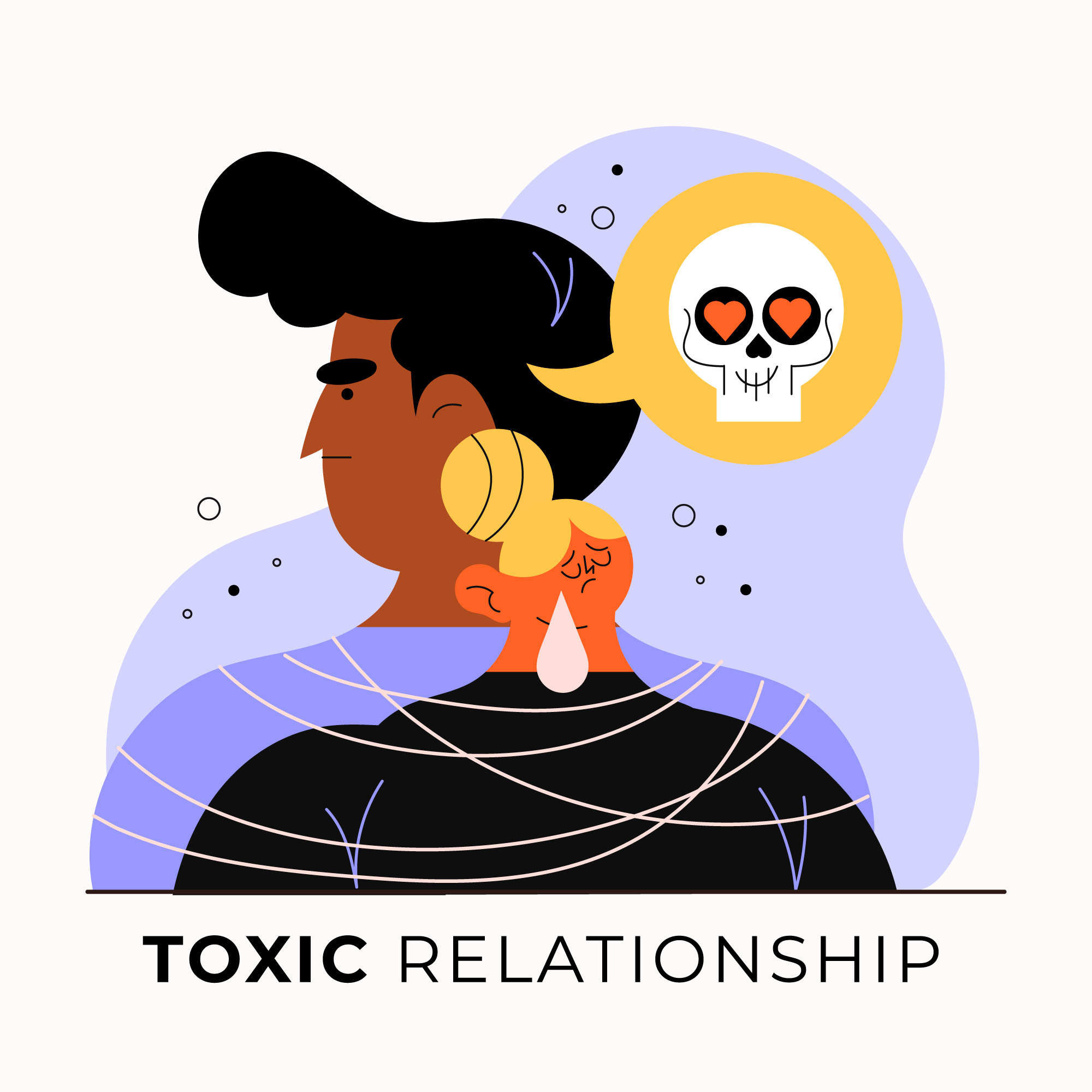
Trauma bonding with a narcissist is not a failure of intelligence or self-respect. It is a neurochemical process. Your brain releases the same cocktail of dopamine, oxytocin, cortisol and adrenaline during narcissistic abuse that it releases during genuine love, and in an abusive relationship that chemistry actually gets stronger over time, not weaker. Understanding what happened inside your brain is not an excuse. It is the beginning of actually getting out.
You already know something was wrong. You stayed anyway.
The truth is – somewhere you knew the exact root of your troubles – that you were trauma bonded with a narcissist. Not because you did not see the signs. You saw plenty of signs. You probably made a list of them at some point, lying awake at 3am trying to organise the evidence of your own unhappiness into something that made sense. Emotional manipulation can leave you confused for a long time.
You stayed because leaving felt physically impossible in a way you could not explain to anyone who had not been through it. You tried explaining it. The responses you got were some version of just leave, or why do you keep going back, or I just do not understand what you see in them. And those responses, however well-meaning, made you feel more broken than the relationship itself did.
Here is the thing those people did not know, and that you probably did not know either: the decision to stay is not really a decision at all. It is an addictive response that brains have when associated with a relationship of significant value. This could happen to anyone after a toxic relationship, particularly if the survivor has the capacity to bond deeply as per ScienceDirect
You were not weak. You were chemically hooked. And those are genuinely different things.
What love bombing actually does to your brain
Every narcissistic abuse story starts in roughly the same place. Intense attention. The feeling of being chosen, really chosen, by someone magnetic and certain and completely focused on you. Plans made fast. Declarations that felt enormous. The sense that you had finally found something real.
The initial high of falling in love with a narcissist creates a dizzying, euphoric state in the brain, setting a bar in the relationship that you will spend months or years trying to get back to. That bar is not arbitrary. It is neurochemical. During love bombing and mirroring in the idealisation phase, oxytocin floods your system, the same hormone released by the hypothalamus to bond a mother and child. Liberty University research states that the brain did not know it was being manipulated. It just knew it felt safe, chosen, and alive in a way it had not before.
Narcissists and social predators use flattery, compliments, excessive praise, gifts, and constant loving texts to create an addictive feeling of infatuation, which can result in disturbing levels of devotion and adoration. They are not doing this consciously as a chess move in every case. In many cases it is just how they operate. But the effect on your brain is the same regardless of their intent.
By the time the mask slips, your neurochemistry is already committed.
Why the abuse made the bond stronger, not weaker
This is the part that confuses people most. Including the people living inside it.
Logic says that when someone hurts you, you should want them less. Distance should come naturally. The attraction should erode. And in healthy relationships with ruptures and repairs, that is roughly how it works.
With trauma bonding and a narcissist, the opposite happens.
Love activates the same areas of the brain responsible for cocaine addiction. In adversity-ridden relationships, the effects of biochemical addiction can be even more powerful. When oxytocin, serotonin, dopamine, cortisol and adrenaline are all involved, the abusive nature of the relationship actually strengthens rather than dampens the bond in the brain.
Here is why. When affection is withdrawn after a period of warmth, cortisol spikes, creating an intense desire to repair the relationship and find the connection of the original love bombing stage again. After reconciliation, the relief floods your system with oxytocin, the same bonding hormone that wired you to them in the first place. So the cycle of hurt and repair is not eroding the attachment. Every single time it completes, it deepens it.
The random moments of tenderness during the devaluation phase, the apologies, the rare displays of warmth right before another incident of abuse, actually help cement the reward circuit rather than deter it. Your brain learned to treat those moments of relief as the most important thing in the relationship. And it became very, very good at waiting for them.
The part nobody prepared you for: you miss them after
Not the person who hurt you. But the person from the beginning. The one who made you feel like the most important human in the room. Long after the relationship ends, your brain keeps recalling those first beautiful moments. The romantic gestures, the praise, the intense connection. That is dopamine talking, keeping those memories vivid and weighted, essentially telling your brain to go back and do it again. Meanwhile, the narcissist, typically devoid of empathy and unable to form these kinds of deep attachments, has already moved on to their next source without much thought or remorse.
You are grieving a relationship they were never fully in. You are chemically bonded to someone who was not bonded to you in the same way. That asymmetry is one of the cruelest mechanics of narcissistic abuse and it rarely gets named clearly enough.
The combination of neurochemistry tags the abuser as a drug in your brain. It causes you to hyper-focus on them, crave them, and intensify the bond even when you know, rationally, that they were an awful partner. This reaction can occur even when you do not particularly like them anymore. The craving is not about who they are. It is about what your nervous system learned to need.
What withdrawal from a narcissist actually feels like
Most people going through it do not have a word for what they are experiencing. They just know it feels physical. A restlessness. An obsessive loop of thoughts they cannot shut off. The inability to eat properly or sleep through the night. Reaching for the phone constantly. Replaying conversations looking for the moment everything changed.
Due to the surge of oxytocin and dopamine during the relationship, leaving means going through genuine withdrawal. The brain seeks the connection, craves it, and struggles to function without it. It is not dramatic to call it that. It is neurologically accurate. The withdrawal symptoms many people experience after leaving a narcissistic relationship are similar to the feelings one has after discontinuing certain drugs of abuse. The brain seeks it, craves it and struggles without it.
This is why telling yourself to just stop thinking about them does not work. You are not dealing with a preference. You are dealing with a withdrawal process and it has a physical dimension that willpower alone cannot override.
To make matters worse, many abusers isolate their partners over time, chasing away the very support network that would help their nervous system regulate and begin to heal. So by the time the relationship ends, many survivors are dealing with withdrawal while also being more alone than they have been in years.
Why you are not broken and what actually helps
Withdrawal symptoms and the craving to return are not a reflection of personal weakness. They are normal brain responses to an abnormal situation: the mixture of kindness and abuse. Those with insecure attachment foundations will respond more intensely to these circumstances, but the neurochemistry itself can settle and return to balance with support and time.
The two things research consistently points to for breaking a trauma bond are no contact and rebuilding real connection with safe people.
No contact is not punishment. It is neurological necessity. When you maintain contact with a narcissistic ex, even minimal contact, your brain automatically releases attachment chemistry in response to them, particularly if they are showing any kindness. Each interaction restarts the bonding process. Distance is not cruelty. It is the only environment in which your brain chemistry can actually begin to recalibrate.
Real connection with safe people matters because facilitating the release of calming oxytocin through good quality social contact is one of the most effective ways to reduce the craving, ease the withdrawal, and begin to lessen the pain. The connection cannot be with the toxic partner or the bond deepens further with them.
You cannot think your way out of a trauma bond. You have to live your way out of it, slowly, with structure and support and real human connection to replace the neurochemical need.
The last thing
You loved someone who used the mechanics of love against you. You bonded deeply with someone who was watching for the places where you were most open and most hopeful and using exactly those places to keep you tethered.
None of that is a reflection of how gullible you were. It is a reflection of how deeply you were capable of loving. You did not know then what you know now. You did the best you could with the knowledge you had. You have been told your version of events was wrong, your reactions were too much, your reality was false. It was not. You were responding normally to something genuinely abnormal.
The trauma bond will not break overnight. But it will break. And it breaks faster when you stop going it alone.
——————————————————————————————————————————————————————–
Breaking a trauma bond with a narcissist is not a mindset shift. It is a daily process that works with your nervous system, not against it.
The Let It Go Breakup App is structured daily recovery built for exactly this kind of grief. The obsessive kind. The kind that does not respond to just move on.
Download Let It Go. Start today.





Leave a Reply