
If someone you loved just walked away after telling you they loved you, you’re not alone—and you’re not crazy for feeling completely confused.
The Heart-Wrenching Reality That Millions Face
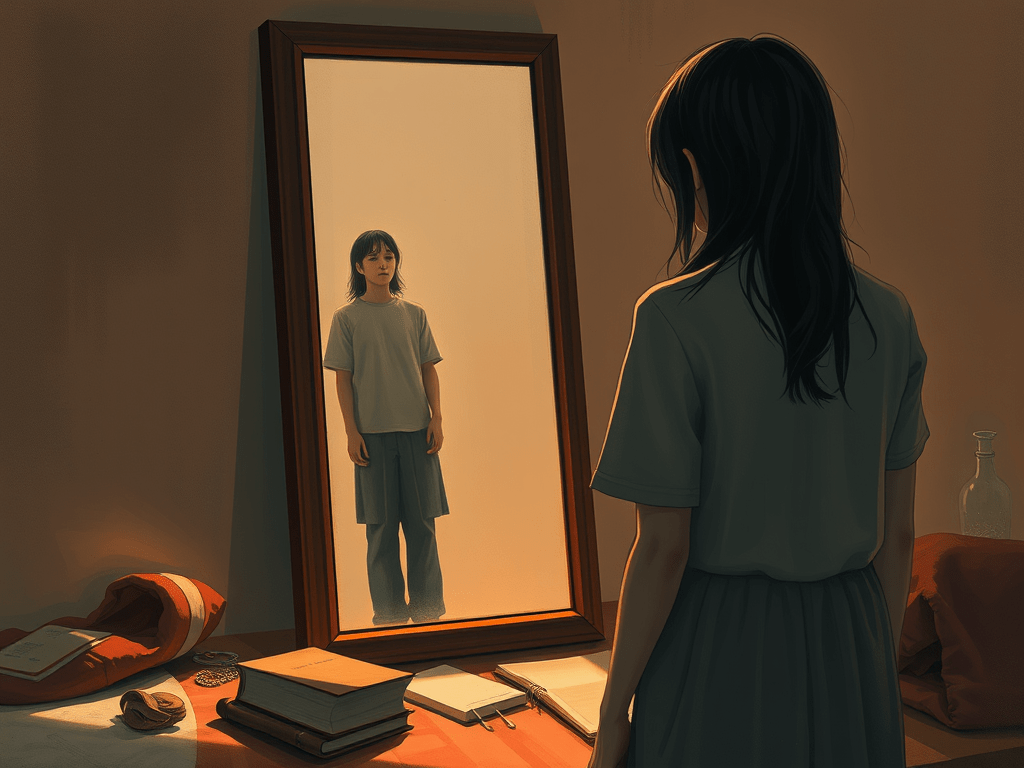
It’s late night and you can’t sleep because you are replaying every conversation, every “I love you” they said or texted. The words felt real. The moments felt genuine. Yet here you are, alone, wondering how someone who claimed to love you could just… leave.
This isn’t just your story. It’s the story of countless people who find themselves caught between the memory of love declared and the reality of love abandoned. The confusion isn’t just emotional—it’s psychological, and understanding why this happens can be the first step toward healing.
The Uncomfortable Truth About Love and Leaving
Here’s what relationship experts want you to understand: People can genuinely love you and still choose to leave. This isn’t a contradiction—it’s a complex psychological reality that happens more often than you might think.
Dr. Sarah Chen, a licensed clinical psychologist specializing in relationship trauma, explains it this way: “Love is not always enough to sustain a relationship. When someone says they love you but leaves, they’re often communicating that while their feelings are real, other factors have made the relationship unsustainable for them.”
This revelation can feel devastating, but it’s also liberating. It means you weren’t imagining the love. You weren’t foolish for believing it. The love existed alongside other realities that ultimately took precedence.
The Psychology Behind “I Love You, But I’m Leaving”
1. The Cost-Benefit Emotional Analysis
Our brains constantly perform unconscious cost-benefit analyses of our relationships. Even when love is present, if a relationship consistently costs more emotional energy than it provides, the psychological pressure to leave builds over time.
Common “costs” that can outweigh love include:
- Constant conflict without resolution
- Fundamental incompatibility in life goals
- Emotional exhaustion from trying to make things work
- Loss of personal identity within the relationship
- Feeling unable to be authentic
2. Attachment Styles and Relationship Patterns
Your partner’s attachment style—formed in early childhood—significantly influences how they handle love and commitment. Someone with an avoidant attachment style might genuinely love you while simultaneously feeling overwhelmed by intimacy, leading them to create distance or leave entirely.
Those with anxious attachment might leave preemptively to avoid what they perceive as inevitable abandonment, even when love is present. Understanding these patterns doesn’t excuse the pain they cause, but it can provide clarity about behaviors that seemed inexplicable.
3. Self-Preservation Psychology
Sometimes people leave not because they don’t love you, but because staying threatens their sense of self. This might manifest as:
- Feeling they’ve lost themselves in the relationship
- Believing they can’t be their authentic self with you
- Experiencing the relationship as constraining their growth
- Having different visions for their future that can’t be reconciled
The Four Most Common Scenarios
Scenario 1: “I Love You, But We Want Different Things”
They meant it when they said they loved you. But love alone couldn’t bridge the gap between your different life visions—whether about children, careers, lifestyle, or values. This is perhaps the most mature reason someone might leave despite loving you.
Scenario 2: “I Love You, But I’m Not Ready”
Fear of commitment, unresolved personal issues, or feeling too young can drive someone away even when love is real. They might recognize that they can’t give you what you deserve right now, choosing to leave rather than string you along.
Scenario 3: “I Love You, But I’m Not Happy”
The relationship itself might have become a source of stress, conflict, or unhappiness despite the underlying love. When attempts to fix things fail repeatedly, leaving can feel like the only option for both people’s wellbeing.
Scenario 4: “I Love You, But I Love Someone Else More”
Perhaps the most painful scenario: they developed feelings for someone else. This doesn’t invalidate the love they felt for you, but it does mean they made a choice about where to direct their romantic energy.
Why This Happens to Good People in Healthy Relationships
If you’re beating yourself up, wondering what you did wrong, here’s something crucial to understand: This can happen in relationships where both people are fundamentally good and the relationship was genuinely healthy.
Sometimes people simply grow in different directions. Sometimes external pressures become too much. Sometimes the timing is just wrong, even when everything else feels right.
Licensed therapist Dr. Michael Rodriguez notes: “I see many clients who assume they must have done something terrible for a loving partner to leave. In reality, most of these departures happen because of incompatibility or circumstance, not because anyone was ‘bad’ or ‘wrong.’”
Red Flags You Can Watch for Next Time
While you can’t always predict when someone will leave, there are warning signs that someone might love you but struggle with commitment:
Communication Red Flags:
- Avoiding conversations about the future
- Deflecting when you bring up relationship concerns
- Expressing love but avoiding deeper emotional intimacy
Behavioral Red Flags:
- Hot and cold emotional availability
- Making unilateral decisions about shared plans
- Treating the relationship as lower priority than work, friends, or hobbies
Emotional Red Flags:
- Seeming overwhelmed by expressions of your love
- Pulling away after intimate moments
- Expressing fear about “losing themselves” in the relationship
When Professional Help Can Make the Difference
Consider seeking therapy if you’re experiencing:
- Inability to function in daily life after several weeks
- Persistent thoughts of self-harm or worthlessness
- Complete loss of trust in your ability to judge people
- Inability to imagine ever dating again
- Persistent nightmares or sleep disruption
A trained therapist can help you process this experience without carrying unhealthy patterns into future relationships. Many people find that working through this type of relationship trauma actually makes them better partners in the long run.
Building Resilience for Future Love
Develop Your Independence: The healthiest relationships happen between two whole people who choose to be together, not two people who need each other to feel complete.
Trust Your Instincts: If something feels off about someone’s commitment level, trust that feeling. Love shouldn’t require you to ignore your intuition.
Communicate Your Needs Clearly: Don’t hint or hope. If you need reassurance about commitment, ask for it directly. The right person will be happy to provide it.
Maintain Your Support System: Never make a romantic partner your only source of emotional support. Maintain friendships and family relationships that exist independently of your romantic life.
The Path Forward: Hope After Heartbreak
Here’s what relationship experts want you to know about your future: This experience, as painful as it is, can actually make you a better partner. You’ve now experienced the difference between love and compatibility. You understand the importance of aligned values and life goals. You know what it feels like to have your emotional needs met and unmet.
Dr. Lisa Park, who specializes in relationship recovery, shares this insight: “Clients who work through this specific type of heartbreak—where love was real but the relationship ended anyway—often go on to have the healthiest, most satisfying relationships of their lives. They understand love’s complexity in a way that serves them well.”
Your Questions Answered
Q: How do I know if they really loved me or were just saying it? A: Real love shows up in actions over time, not just words. If they treated you with consistent kindness, made sacrifices for your wellbeing, and showed genuine interest in your happiness, the love was likely real—even if the relationship wasn’t sustainable.
Q: Should I try to get them back? A: If someone left despite loving you, trying to get them back rarely works and often damages your self-respect. Instead, focus on healing and growing so that your next relationship can be with someone who chooses to stay.
Q: Will I ever trust someone who says “I love you” again? A: Yes, but you’ll be wiser about it. You’ll look for consistency between words and actions. You’ll pay attention to compatibility, not just chemistry. You’ll trust love that’s demonstrated through commitment, not just declared through words.
Q: How long does it take to get over this? A: There’s no standard timeline, but most people report feeling significantly better after 3-6 months of active healing work. The key is engaging with the healing process rather than just waiting for time to pass.
Moving Forward with Wisdom and Hope
The person who said they loved you and then left has given you an unexpected gift: the knowledge that love alone isn’t enough. This realization, while painful, can protect you from settling for incompatible relationships in the future.
Your next relationship won’t just be about finding someone who loves you—it will be about finding someone who loves you AND chooses you every day, someone whose life goals align with yours, someone who sees a future with you and actively works toward it.
The love you experienced was real. The pain you’re feeling is valid. And the future you’re building will be stronger because of both.
Remember: You deserve someone who doesn’t just love you, but who also chooses to stay, work through problems together, and build a life that honors both of your dreams. That person exists, and your experience of love-with-departure has prepared you to recognize and appreciate love-with-commitment when it arrives.
If you or someone you know is going through a devastating breakup, find gentle support in the breakup app Let it Go that will help you heal gently in a peer community of members going through heartbreak.
If you’re struggling with thoughts of self-harm or finding it difficult to function, please reach out to a mental health professional, trusted friend, or crisis hotline immediately. You deserve support during this difficult time.







 Let it Go
Leave a comment