
You’ll rewrite the story a thousand times in your head. Every version ends the same—you’re either the heartbroken one… or the heartbreaker. But what if you were just a placeholder in someone else’s drama?
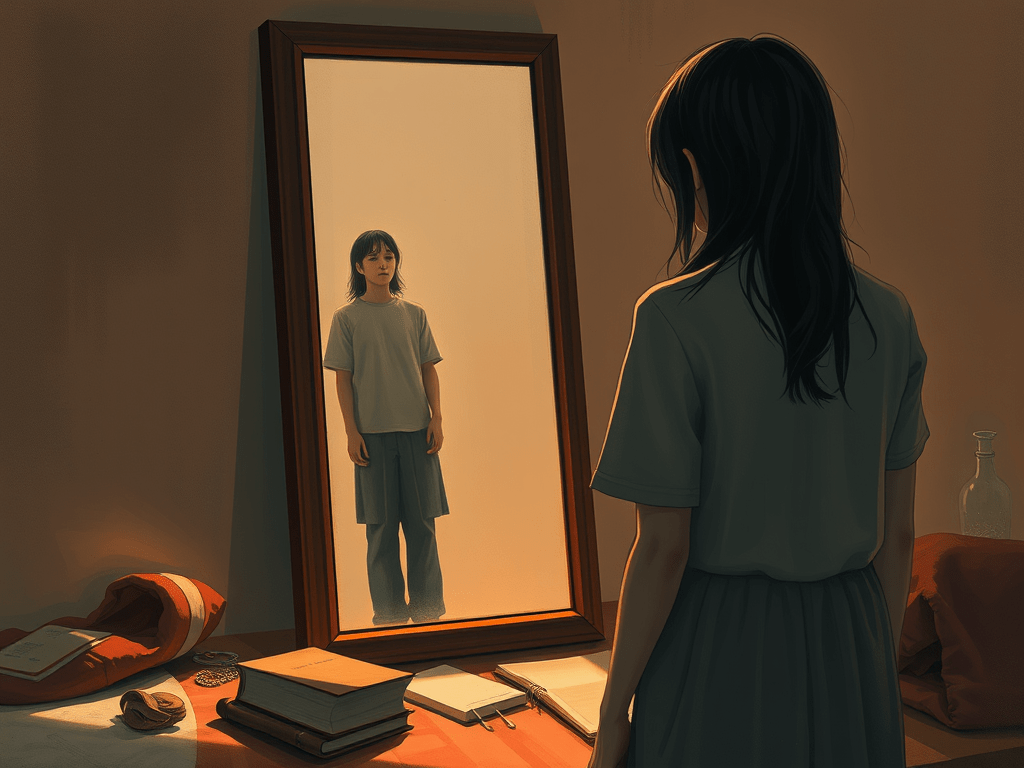
The morning after my breakup, I stood in front of the mirror like it was a crime scene. My face looked normal. My body hadn’t collapsed. But inside? Chaos. Grief. And this sickening voice that kept asking:
“Was it my fault?”
I wasn’t trying to be dramatic. I just couldn’t stop rewinding every conversation. Every silence. Every smile I missed. And every little moment that now—when seen through the cracked lens of heartbreak—looked like evidence.
Was I needy? Was I cold? Did I not love them enough… or did I love them too much, and that’s what scared them off?
This is the heartbreak rabbit hole: not just pain, but shame.
And the deeper you go, the more the story mutates.
The Breakup Narrative Twist: Villain Edition
There’s this terrifying moment after a breakup when you realize you might not get closure. Not the clean, mature kind where someone tells you it wasn’t all your fault. Instead, you’re left with their version of the story—one you can’t control.
Suddenly, you go from lover…
to antagonist.
To “the reason they had to protect their peace.”
To a silent name in a story they now tell to someone else.
And that story? It doesn’t need to be fair. It just needs to make them feel better.
You might never know the version of you they share with their friends. Or their therapist. Or the next person they date. You might just be the perfect villain in someone else’s healing arc.
And that hurts in a way words can’t carry.
Blame Is a Love Story, Too
The truth is, when we blame ourselves after a breakup, it’s not just punishment.
It’s protection.
Because if we caused it, we can fix it.
If we were the problem, we can promise to be better next time.
If we were the ones who messed it up, at least it wasn’t random.
At least it wasn’t rejection.
But you’re not a villain. You’re a person. And sometimes, relationships end not because someone was evil—but because the container cracked.
And maybe you were both just spilling out.
Maybe You Were Set Up to Take the Fall
In toxic dynamics, blame isn’t a response—it’s a strategy.
It’s a way to disown pain, to flip the guilt, to keep control.
And if you were in a pattern like that, you likely ended up holding all the emotional weight. The other person might have walked away feeling lighter while you crumbled under a story they wrote—but you signed.
Understanding toxic relationship patterns is part of breaking free. Because until you see it clearly, you’ll keep wondering:
Was I just too much?
Or were they never really ready?
Your Pain Is Real. So Is Your Growth.
Let’s be clear: not all heartbreak requires a villain.
And not all endings have neat little morals.
But your self-blame isn’t honesty—it’s a leftover trauma response.
This is where the work begins:
Learning that your pain is valid, your love was real, and you’re not the character someone else decided you should be.
You’re allowed to grieve.
You’re allowed to rage.
You’re allowed to tell your version of the story—and it doesn’t have to make anyone else look good.
Want to stop rewriting the past?
Start tracking your healing instead of your regrets.
Let go of the urge to stalk their story.
Try a no contact tracker that holds you when your willpower breaks.
Find emotional validation from people who see you, not the worst version of you.
And when you’re ready, use the best breakup app to rebuild—not just from what broke, but from what they never saw in you.
💔 Ready to stop being the villain in your own story?
We built Let It Go for moments exactly like this. When the story gets too loud, and you just want to feel real again.
Start healing with Let It Go →







 Let it Go
Leave a comment